Florida Qualified Clinical Supervision for Registered Clinical Social Worker Interns
Finally, a supervisor who gets that you’re a human before you’re a clinician.
You didn't become a social worker to just check boxes and survive another shift.
You’re ready to move past the imposter syndrome and the fear of "doing it wrong," and start developing a clinical practice that honors your intuition, your ethics, and your soul.
Clinical Supervision for FL Social Work Interns: Finding Your Identity
You got into this work because you have a deep capacity for empathy and an intuition that allows you to see people in their most vulnerable moments. You wanted to make a difference. But somewhere between the high caseloads, the agency pressure to be "productive," and the constant anxiety of wondering if you’re actually doing it right, you started to lose your footing.
If you’re currently hiding your exhaustion, over-explaining your clinical choices just to appease a manager, or staying late because you don’t know how to set a boundary without feeling like you're "failing" your clients—I see you.
You aren't "failing", but you’re just operating in a system that hasn't taught you how to stay human while you help others manage their trauma.
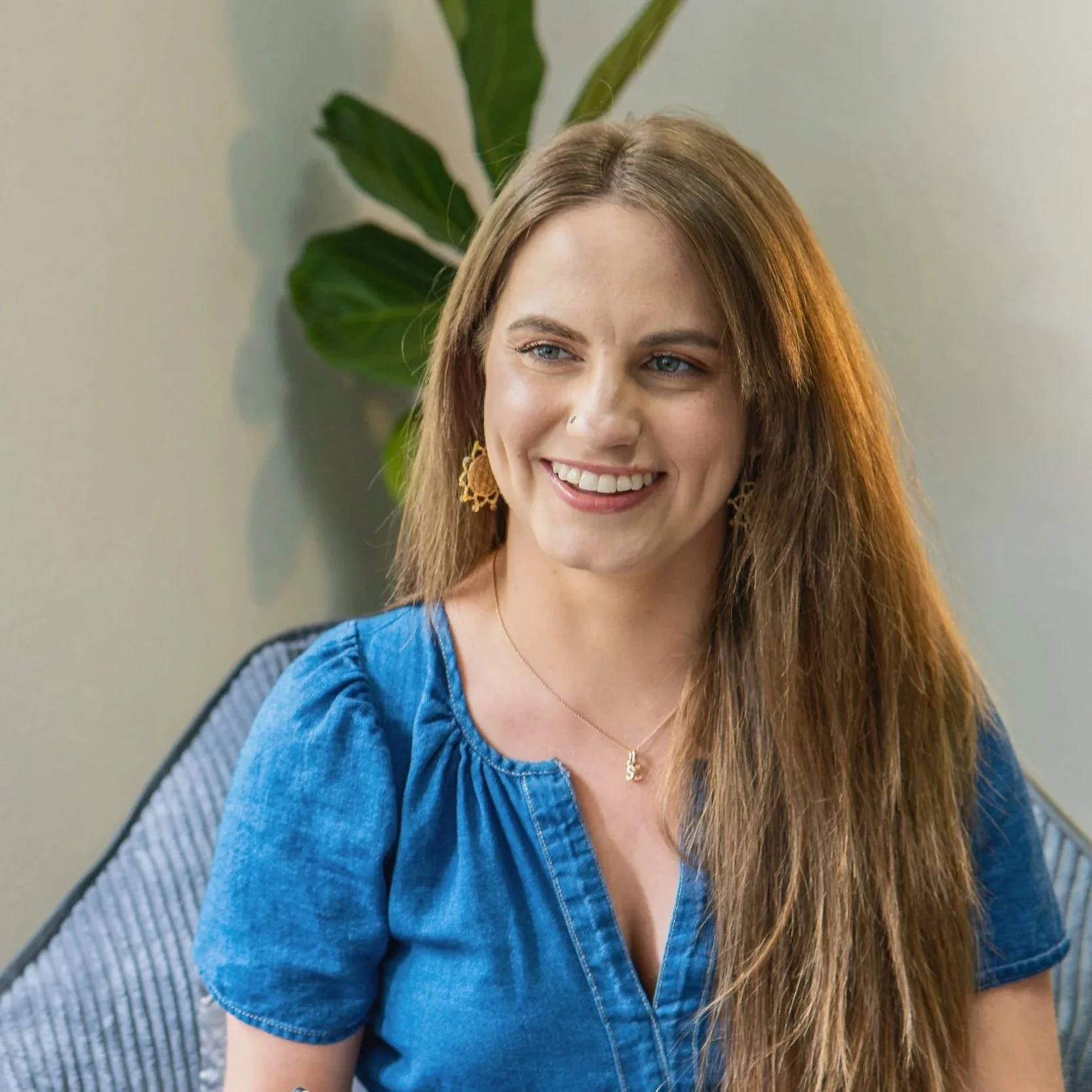
I’m Sabrina. I’ve worked in the system—community mental health, residential programs, non-profits, and private practice—and I know what it feels like to end a day completely depleted, only to realize the environment isn't built to keep you whole.
I’m here to help you stop people-pleasing your way through your licensure hours and start building a clinical identity that actually feels like you.
Qualified Supervision is a Container, Not a Checklist
Quality supervision is more than just someone to sign your hours for the board. Yes, we’ll do the clinical work: case consultation, ethical decision-making, refining your skills, and exam prep. But this is also where we hold space for the stuff that usually gets ignored like burnout, decolonizing therapy, systems, and counter-transference.
I see supervision as the greatest gift you can give your career. It’s a safe place to land and process your questions, your hopes, and the fears you can't say out loud at work.
Quality supervision didn't just mold and guide me as a clinician - it got me through the depths of burnout to feel hopeful and excited to be a therapist again.
We’ll build a foundation that isn't just about "following the rules,” it’s about knowing how to hold space ethically, safely, and sustainably, even when the world around you feels chaotic.
Supervision is where we bridge the gap between being a "good" intern and a grounded, confident clinician. You’re likely carrying a lot, like the fear of making a mistake, the pressure to fix everything, and the feeling that you have to perform to be validated.
My job is to help you put those burdens down so you feel prepared to pass your ASWB exam, know how to support your clients with confidence, and handle ethical dilemmas.
Curious about how my approach to supporting you in Qualified Supervision?
How We Navigate the Work Together
We use the chakra system as a positive map for your growth, helping you cultivate the specific strengths needed to flourish in this field:
Root Chakra (Safety & Stability): We cultivate deep professional grounding. This is about building a secure, stable clinical foundation where you feel confident in your ethical judgment and safety protocols.
Sacral Chakra (Flow & Boundaries): We nurture your professional creativity and boundaries. Instead of reactive people-pleasing, you’ll learn how to hold space with ease and flow, protecting your energy while staying connected to your clients.
Solar Plexus (Power & Purpose): We ignite your clinical authority. This is where you step fully into your power, trusting your skills and feeling deeply capable of handling the work without needing to "fix" or "save" anyone.
Heart Chakra (Compassion & Counter-transference): We expand your capacity for genuine, sustainable compassion. You’ll learn how to keep your heart open to your clients while maintaining a healthy, clear clinical perspective.
Throat Chakra (Voice & Advocacy): We amplify your voice. You’ll learn how to speak up with clarity and confidence, whether that’s advocating for your needs in an agency or sharing your unique perspective as you market your own brand online.
Third Eye (Intuition & Insight): We honor your wisdom. You’ll learn to trust the intuitive "hits" you get in sessions, making them a cornerstone of your clinical practice alongside your technical training.
Crown Chakra (Connection & Evolution): We celebrate your professional expansion. We align your daily work with your long-term legacy, ensuring that your career path is a direct reflection of your soul’s purpose.
The Chakra Framework for Clinical Sovereignty
Growing In The Field & With Colleagues
Being a clinician doesn't have to be a lonely journey. We’ll focus on how to build genuine, supportive professional relationships and grow your career with intention:
Finding Your Professional Community: We’ll move past feelings of enmeshment with coworkers and toward building healthy, collaborative peer relationships that actually energize you.
Navigating Peer Dynamics: Whether you’re dealing with office politics, managing workplace conflict, or simply wanting to find "your people" in this field, we’ll work on the social and emotional skills needed to thrive within a team without losing your sense of self.
Mentorship & Beyond: We’ll talk about how to seek out mentors, advocate for your own professional development, and step into leadership roles, at any level of your career.
Your Evolving Identity: You are always growing. We’ll look at how your clinical interests shift over time and how to ensure your professional circle and work environment continue to align with who you are becoming.

Your Professional Roadmap
Supervision should support your specific vision for the future. We’ll focus on the practical steps to evolve your skills:
ASWB Exam Prep: We’ll demystify the exam and focus on the clinical reasoning you need to pass with confidence.
Agency Life vs. Private Practice: Whether you want to thrive as a leader in a local agency or you’re dreaming of building your own private practice, I’ll help you with the logistics of finding your niche, marketing, and building a brand that feels like you.
Ethical Clinical Guidance: When you feel stuck, this is your safe place to get the guidance you need to make ethical, sound decisions without the fear of judgment.
Why Work With Me As Your Qualified Supervisor
You don’t need another supervisor who just checks the boxes and signs your hours. You need a mentor who has been exactly where you are and knows how to navigate the field without losing yourself.
Before I became a Licensed Clinical Social Worker & Qualified Supervisor, I worked in various systems like working in Child Advocacy Centers (CAC), Guardian Ad Litem/Court Appointed Special Advocates (GAL/CASA), Student Homelessness Initiative Partnership (SHIP), crisis stabilization settings for individuals transitioning from psychiatric hospitalization and transitional housing for women and children experiencing domestic violence and/or housing instability, and Headstart programs for social-emotional-learning support.
I’ve also spent time as a Lead Trauma Specialist facilitating exposure therapy for clients and trainings for clinicians in a non-profit, as well as teaching trauma-informed yoga in substance rehabilitation centers, incarceral systems, and to veterans.
This work taught me how to support clients at their most vulnerable points of instability, and how to hold space for complex trauma within systems that are often stretched far too thin.
I’m also someone who entered this field eager to make a difference, only to eventually lose my personal identity in the role of 'the helper.' I know exactly what it’s like to take on way too much out of a fear of saying 'no,' to hit a wall of absolute burnout, and to genuinely consider walking away from this field for good.
At the time, it was a massive hurdle, but eventually became a turning point. It pushed me to build my own private practice from scratch, learn how to market myself in a digital age, and most importantly: figure out how to create a sustainable practice that actually works for my life. I learned that I didn't have to take on 30-50 clients a week, work hours that left me completely depleted, or accept every referral the system pushed my way just because I was told I 'had' to.
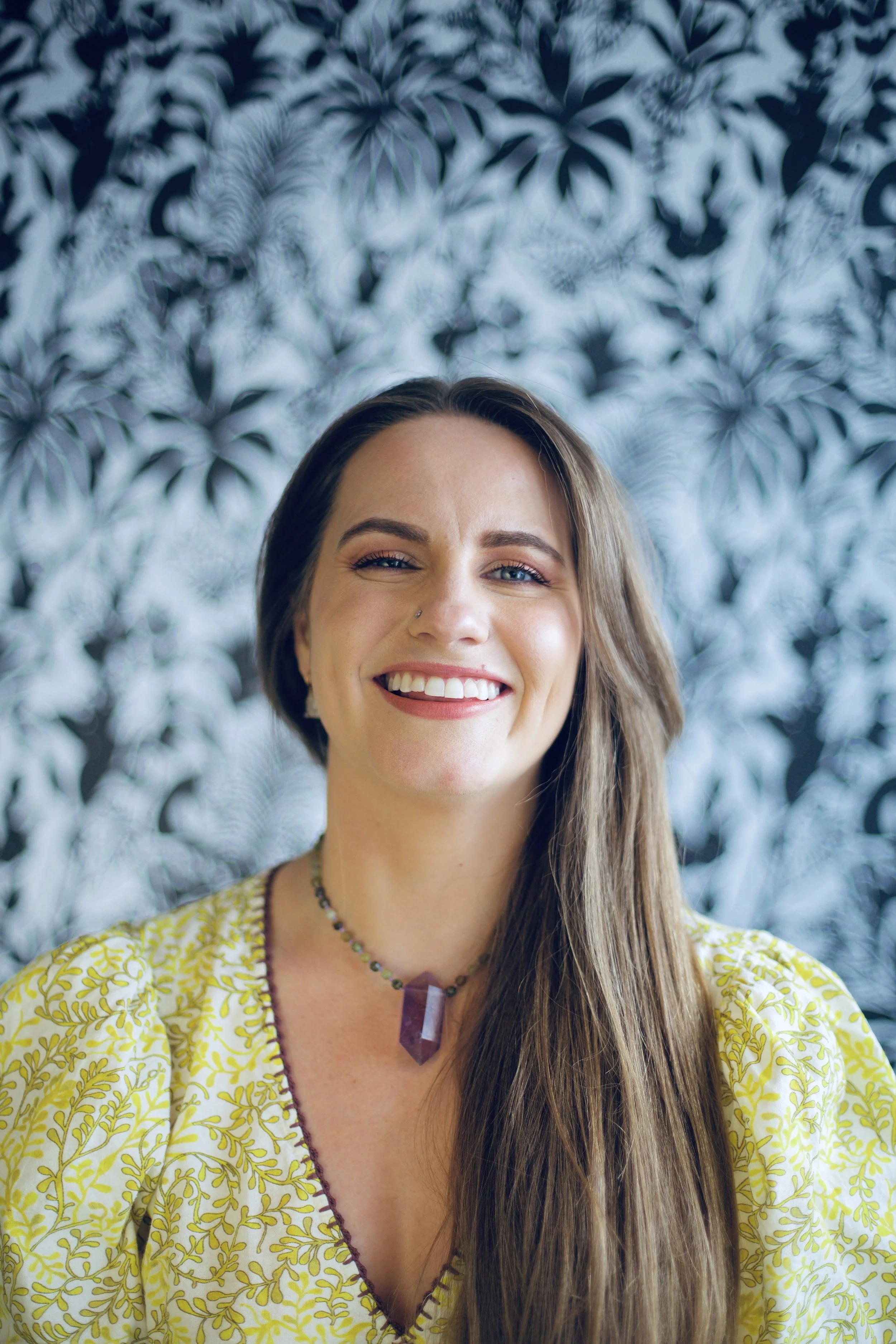
This was possible because I invested in Qualified Supervision for myself during my Registered Clinical Social Worker Intern years. Through that process, not only did I overcome burnout and pass the ASWB on my first try, but I also found my voice as a clinician and place as a social worker in the community.
Because I’ve been in those trenches, I’m deeply invested in helping the next generation of clinicians recover from 'burnout' (or skip it) and find their footing sooner.
I’m not here to be your therapist, but I am here to be the Qualified Supervisor who treats your professional development with as much care as you treat your clients.
I believe there’s a huge difference between “Qualified Supervisor” and what I like to call Quality Qualified Supervision. QS is more than about signing off on your hours. Yes, it’s holding space for ethical dilemmas, case consultation, and learning therapy skills - but also for having real conversations about burnout, countertransference, systems, decolonizing therapy, and what it means to be a human in this field.
Because your well-being (mind, body, and soul) matters just as much as the people who sit across from you.
I’m excited to not only mentor the next wave of clinical social workers but to learn and grow with you, too. After all, life is a mirror and we're life-long learners.
You don’t have to "prove" you’re a good therapist to me; you just have to be willing to be human, be honest about where you’re stuck, and take your professional growth seriously.

The Logistics of Qualified Supervision
Florida requires 100 weeks and 100 hours of supervision. My structure is designed to get you there intentionally, keeping you supported, licensed, and burnout-free.
We’ll meet weekly for one hour. I utilize a weekly model for these reasons:
-
My goal is to get you licensed with intention, not to keep you in an "intern" phase longer than necessary. A weekly schedule helps you complete requirements in about two years—giving you the freedom to move into your full career—whether that’s in private practice, community mental health, or the non-profit sector—sooner. It’s about clearing the path so you can build the career you want on your own terms.
-
If you’re seeing 15+ clinical hours a week, you know the weight that carries. Weekly supervision is clinically indicated to review the diagnosis and treatment of each case per Rule 64B4-2.002, helping you feel supported in real-time rather than playing catch-up.
-
Supervision is a space for us to dive deep. We’ll discuss complex cases, debate ethical dilemmas, and provide you with practical, day-to-day guidance. We’ll also work toward your long-term success by preparing for the LCSW exam and taking concrete, practical steps toward your specific career goals.
-
You won't just be sitting in a room; we’ll integrate trainings and guest speakers into our group sessions to keep you engaged with current trends. More importantly, this is a space to connect with peers, network, and build long-lasting connections within a community of clinicians who actually get it.
-
We’ll keep a close eye on your hours. We’ll balance individual and group sessions to ensure you’re hitting requirements—keeping group hours within the 50% F.A.C. threshold—while ensuring you get the individualized attention needed to grow your clinical identity.
Our Supervision Schedule As We Get Started:
I want to make this process as safe and clear as possible for you so you know exactly what to expect.
We’ll start our time together with a Clinical Onboarding phase—a minimum of four individual (1:1) sessions. This allows us to establish your clinical foundation and get a clear picture of your current caseload.
Following onboarding, we will continue in a 1:1 format until a compatible dyadic or group partner is available. Because I prioritize clinical and scheduling alignment, I do not rush the matching process; you may be in a 1:1 setting for a period of time before we transition to a dyad or group. Once a compatible match is identified for dyadic supervision and a cohort of at least three interns is established for a group, we will transition to a mandatory weekly alternating format (Individual/Group) to satisfy state requirements.
Per Florida rules, we alternate group and individual weeks. I use an in-depth intake to match you with peers in similar practice settings, so our group time is actually relevant to your day-to-day work, not just a box to check. Matching is based on factors like current work setting, populations served, career goals, and availability to meet. It’s my hope to match you as soon as I can.
Investment
Individual Supervision (1:1): $140 / hour
Individual Dyadic (2:1): $100 / hour per person
Group (3–6 people): $80 / hour per person
Ready to begin?
If you’re looking for a supervisor who is going to be in your corner, challenge you ethically, and help you find your footing, I’d love to chat.
Take the Next Step: Qualified Supervision for Registered Clinical Social Worker Interns in Florida to Start Your Journey Towards LCSW

Reaching out can feel vulnerable, but it doesn't have to be complicated.
This is just a safe space for us to connect. You don’t need a perfectly polished list of goals, know every therapy theory, or have the next 30 years of your career mapped out. You can just show up and say, "I’m ready to develop my clinical voice and find more confidence in my work." That is a perfect place to start.
1. Schedule Your Free Consultation
We'll spend 15-20 minutes talking about what you're hoping to receive from Qualified Supervision, see if we’re a good match, ask questions, and learn more about my approach to clinical supervision.
2. Begin Our Work Together
If we decide to move forward, we'll schedule our first session and start our onboarding process. You’ll receive an in-depth intake to share more about your history, work environment, supervision goals, and vision. I'll make sure you have the resources and tools you need to feel safe throughout the process.
You entered this field to make an impact and be a helper. Now, it’s time to show up for your professional development, well-being, and start the next step to LCSW.
Common Questions: Qualified Supervision For Registered Clinical Social Worker Interns in Florida
-
To obtain your LCSW in Florida, you must complete a minimum of 1,500 hours of face-to-face psychotherapy with clients.
These hours must be accumulated over a period of no less than 100 weeks.
During this period, you are required to complete at least 100 hours of clinical supervision from a qualified supervisor.
Florida Board requirements also specify that you must receive at least one hour of supervision for every two weeks of practice.
-
The first step is to apply to the Florida Board of Clinical Social Work, Marriage & Family Therapy, and Mental Health Counseling for your registration as a clinical social work intern.
While you can initiate your application before securing a supervisor, you must have a Qualified Supervisor officially approved by the Board before any clinical hours can count toward your licensure requirements.
If we decide to work together, I will provide the necessary documentation to the Board to confirm our supervision arrangement.
You are responsible for submitting your application, transcripts, and all required fees directly to the Board for their approval process.
-
I stay up-to-date with current Florida Board of Clinical Social Work, Marriage & Family Therapy, and Mental Health Counseling regulations to ensure your hours are tracked correctly.
We will use a consistent, transparent tracking system to document your clinical hours and supervision sessions, ensuring everything is ready for your eventual application to the Florida Board.
-
Individual (1:1) provides a private space to deep-dive into your specific clinical cases and personal development.
Dyadic (2:1) allows you and another intern to explore case conceptualization together, offering a unique opportunity to learn from a peer's perspective while still receiving tailored feedback.
Group (3–6 people) fosters a broader community, incorporating trainings, guest speakers, and diverse clinical perspectives to help you see the "bigger picture" of the field.
-
It really comes down to your personal learning style and how you best process your clinical work.
Individual (1:1) supervision offers a private space for you to dive deep into your specific caseload without distractions.
Dyadic (2:1) supervision is a great option if you thrive on collaboration and want to hear how another clinician approaches similar challenges.
We can talk through which format feels like a better fit during your initial onboarding sessions.
-
If a group isn’t formed yet, we will naturally continue with 1:1 or dyadic supervision until a group is available.
If you are already receiving group supervision at your place of work (and have a qualified supervisor on file with the Board), we can discuss whether additional group supervision with me is necessary for your goals.
Otherwise, my supervision model is designed to be comprehensive and includes group sessions as a core component of your clinical development.
-
Because I want our time together to be intentional, we don't rush the process of forming a group. If we don’t have an active group when you start, we’ll move forward in a 1:1 or dyadic format.
As soon as I have three interns ready to go and our schedules align, we’ll transition into that group space. Per Florida rules, a group must have a minimum of three interns to begin and cannot exceed six.
The timing for this depends on a few different factors, including how frequently I’m onboarding new interns, how long the Board takes to process approvals, and the group's availability.
I’ll always keep you in the loop on where we stand so you know exactly what the timeline looks like.
-
I prioritize a weekly model, and recommend weekly even times there isn’t a group yet, because it keeps your momentum strong, ensures we’re consistently building your clinical foundation, and helps you stay. on track to reach your 100 hours and licensure in about two years.
That said, I know life happens; if you are currently only able to meet biweekly while we wait for a group to form, we can discuss making an exception to accommodate your schedule. However, please keep in mind that this can extend your licensure timeline.
-
I prioritize clinical and scheduling alignment, so I do not rush the matching process.
It is common to start in a 1:1 format for a period of time; we will transition you into a dyad or group as soon as a compatible match is identified.
-
I utilize a weekly model to help you move toward licensure with intention.
By meeting weekly rather than bi-weekly, most interns can complete their 100 hours in approximately two years, rather than stretching the process out for four or more years.
-
Because my clinical work is rooted in trauma, holistic and somatic-integrated therapy, my supervision style is centered on the "whole" clinician.
We will certainly review clinical data and case conceptualization, but we will also prioritize parallel processing, exploring how your experience in the room with a client mirrors your own internal state or our supervisory relationship.
My approach is inherently strengths-based; I am here to help you identify what is already working in your practice while we build your clinical confidence.
My goal is to provide a grounded, practical, and deeply supportive space where we bridge the gap between textbook knowledge and the real-world complexities of your caseload.
-
Yes. I got started in the non-profit realm. My background includes extensive work in systems like child advocacy centers, foster care, crisis stabilization, domestic violence shelters, and transitional housing.
Whether you are pursuing private practice or a career in the non-profit sector, my supervision is designed to support your growth in any clinical setting.
-
Supervision is about more than just logging hours; we use our time to debate ethical dilemmas, review complex diagnostic cases, and take concrete, practical steps toward your long-term career goals, which includes active preparation for the LCSW exam. We’ll go over real exam questions from previous ASWB clinical exams, break down what the question is really asking, and how to narrow down the best choice.
-
This is exactly why supervision exists. My role isn’t to judge your clinical choices, but to be your sounding board. I want our space to be a "no-shame" zone where you can be honest about your anxieties or mistakes without fearing professional repercussions. If you’re nervous about a case, we lean into that together.
In these sessions, I’m here to share my clinical insight and work through challenges alongside you. We are partners in your development, but please know that if a matter ever jeopardizes a client’s safety or well-being—or puts either of our professional license at risk—I have an ethical and legal responsibility to intervene. My goal is always to guide you toward the safest, most ethical clinical outcome possible.
-
My role as your Qualified Supervisor is to provide clinical oversight and ethical guidance; I am not an on-call crisis responder.
We will dedicate time during our onboarding to develop a formal emergency protocol that aligns with your specific practice setting.
It is a requirement of our supervisory agreement that you identify and maintain contact with your agency’s designated on-site clinical supervisor or crisis lead, who maintains primary responsibility for immediate, on-site safety and emergency intervention.
Furthermore, we will establish a structured process for you to notify me of any such emergencies. This allows us to dedicate supervision time to formally process the clinical, ethical, and somatic aspects of the event together, ensuring your professional development and the continued safety of your clients.
-
I hold supervision hours during day time hours Monday to Thursday to ensure we have consistent, protected time to focus on your clinical growth.
We will establish a standing appointment time during our initial intake to ensure regularity, which is essential for both Board compliance and your professional development.
Want to see if we’d vibe?
Explore my Instagram @holistictherapywithsabrina
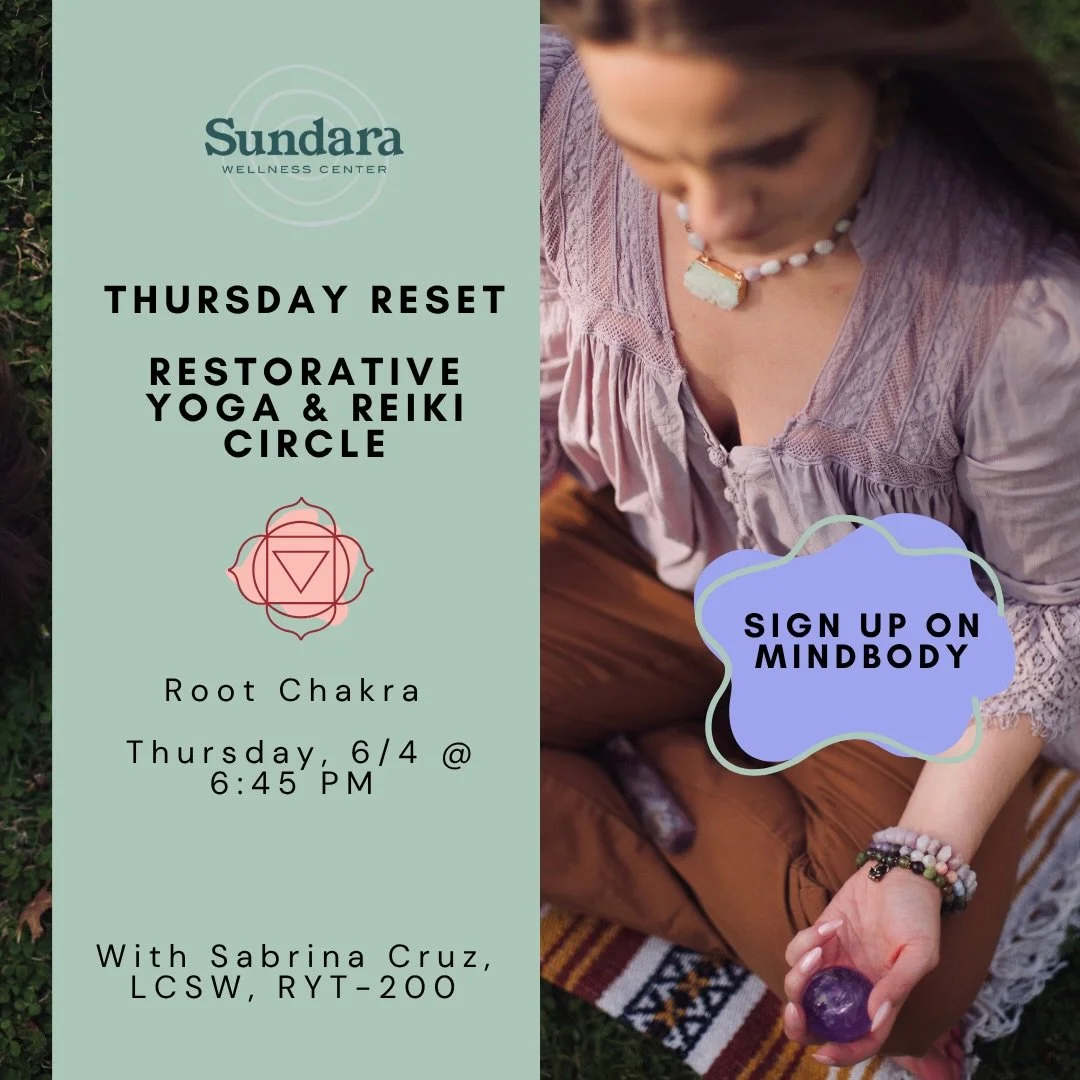
I love to share my insights and invite you to follow along, but keep in mind that Instagram is not a replacement for therapeutic support.